The castle of the river

Information
Description
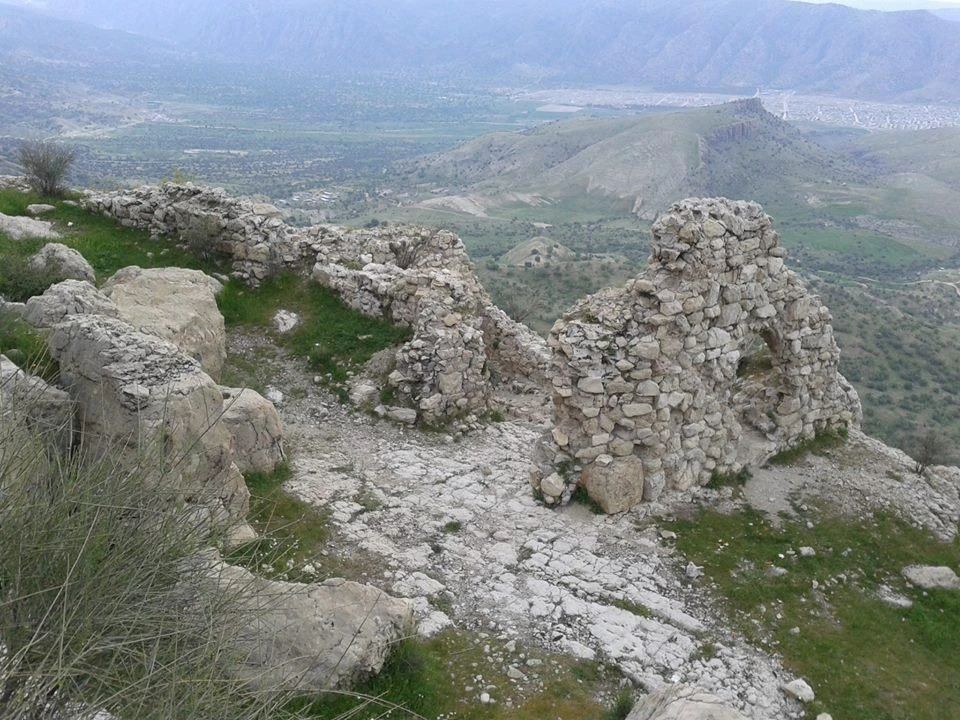
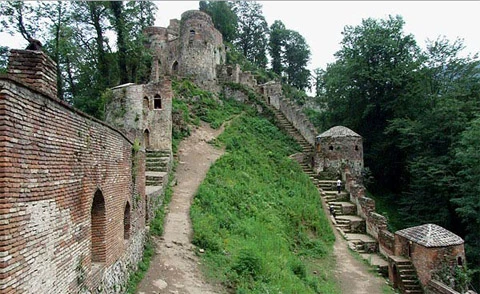
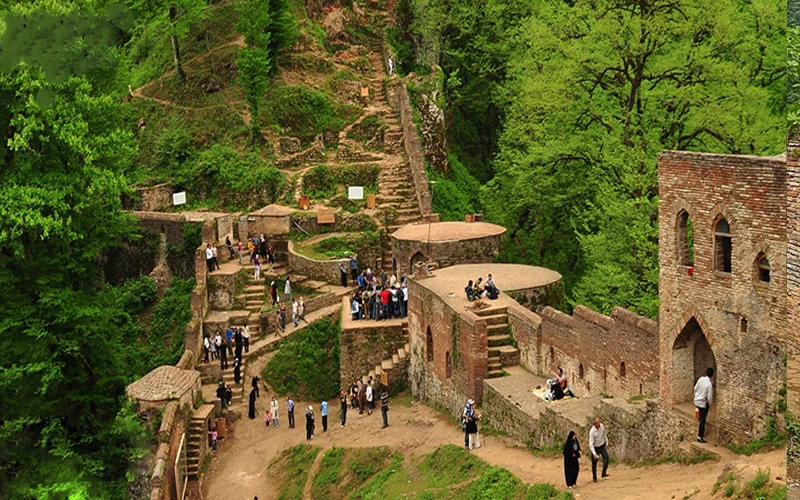
Rudkhan Castle (in Gilaki: Rud Khan Dezh) is one of the most amazing historical castles in Iran and one of the largest military fortresses of the Middle Ages in the country, located in the dense forests of Gilan Province. This castle, with its unique architecture and strategic location, is considered one of the popular destinations for tourists and history enthusiasts.
Geographical Location and Access
Location: Gilan Province, 20 kilometers southwest of Fuman, near Rudkhan village.
Elevation above sea level: about 670 to 715 meters.
After reaching the parking lot, you must hike about 1.5 to 2 hours (more than 1200 steps) to reach the castle.
Nearest cities: Fuman (25 km) and Masuleh (45 km).
History and Name of the Castle
Other names: Due to its location beside the river, it is also known as "Hesami Castle," "Rudgan Fortress," and "Saksar."
Age: Probably dating back to the Sassanid era (3rd to 7th century AD), but it was rebuilt and used in the 5th to 6th centuries AH (Seljuk and Ismaili periods).
Purpose: A military fortress for defense against Mongol invasions and control of the Gilan and Caucasus regions.
🏗 Castle Architecture
Area: about 2.6 hectares (50,000 square meters).
Walls: length of walls 1,500 meters with a height of 4 to 12 meters.
Towers: 40 watchtowers with cylindrical and cubic designs.
Main sections:
Government citadel: residence of commanders.
Barracks: soldiers' quarters.
Old bath with an underground heating system.
Water reservoir and food storage warehouses.
Materials: stone, brick, sarooj (waterproof mortar), and moisture-resistant plaster.
Nature Around the Castle
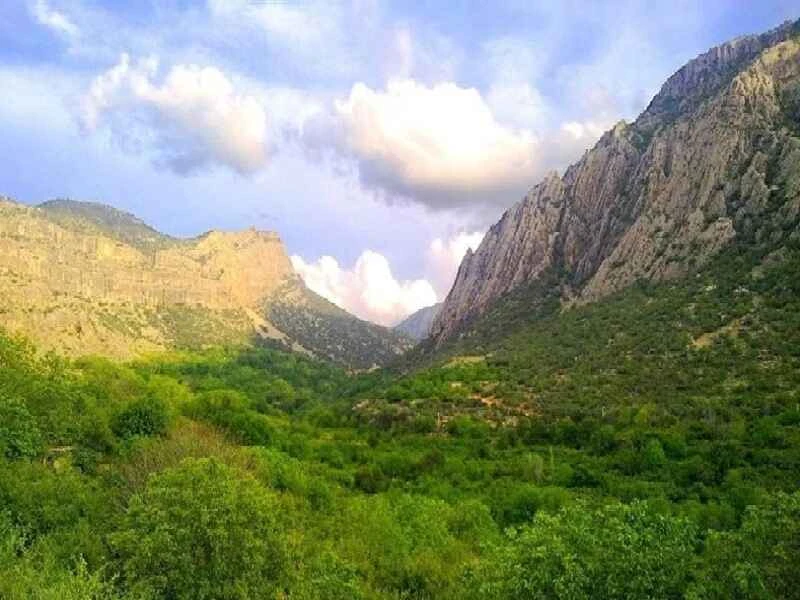
Hyrcanian forests: among the oldest forests in the world with rare plant species.
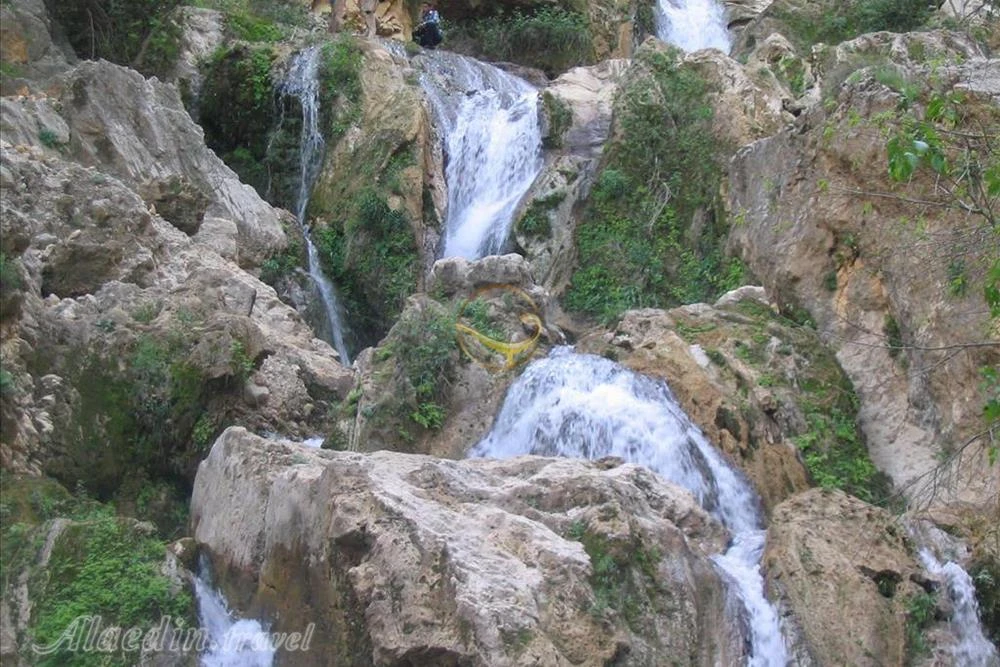
Rudkhan River: beautiful view at the foot of the castle.
Vegetation: oak, beech, hornbeam trees, and local medicinal plants.
Historical and Strategic Importance
This castle, due to its mountainous location and wide view, was used to control trade routes and defend the region.
Some believe this castle was one of the Ismaili refuges (Hassan-i Sabbah).
Hiking Trail and Tourist Facilities
Hiking: The ascent path through the forest is very beautiful but relatively challenging (proper shoes are essential).
Facilities:
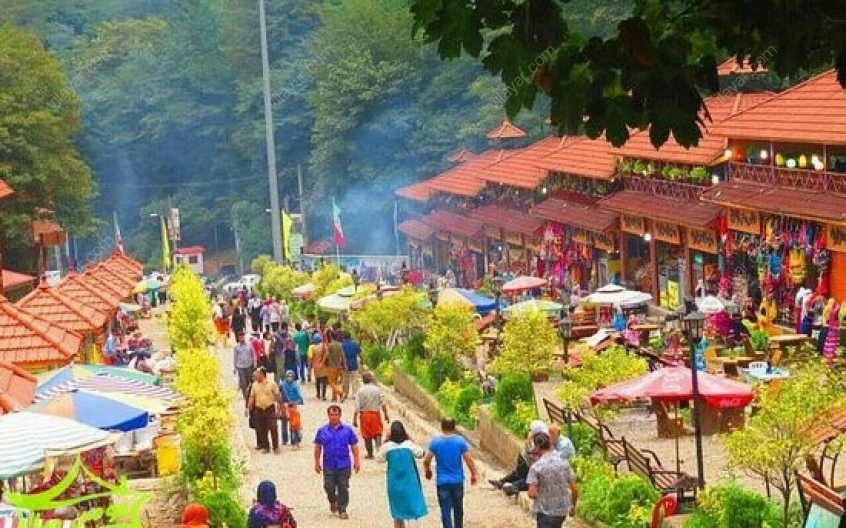
Tea house and snack stalls along the route.
Restrooms at the beginning of the path.
Possibility to hire local guides.
Best Time to Visit
Spring (May-June): mild weather and lush nature.
Autumn (September-October): colorful scenery of the Hyrcanian forests.
Summer: cooler than surrounding cities but may be humid.
Winter: slippery and snowy path, only for adventurers!
📌 Important Tips for Visiting
Bring water, proper shoes, and extra clothing (it is cold at high altitudes).
Do not light fires in the forest.
Carry your trash with you (the castle has no trash bins).
Start hiking before sunset (returning in the dark is dangerous).
Local Souvenirs and Foods Around the Castle
Local bread of Fuman: mountain bread and rice bread.
Rose petal jam and forest honey.
Be sure to try the sour kebab (local Gilan dish) in Fuman.
Rudkhan Castle is not only a historical monument but also an experience of nature touring and adventure. If you travel to Gilan, definitely include this amazing attraction in your itinerary!