Tomb of Seyyed Jalal al-Din Ashraf Astaneh Ashrafieh

Information
Description
Tomb of Seyyed Jalal al-Din Ashraf
The tomb of Seyyed Jalal al-Din Ashraf, brother of the eighth Shia Imam, Imam Reza (peace be upon him)
He is one of the historical and religious figures of Iran, respected as one of the Imamzadehs by the people of Gilan and especially the city of Astaneh Ashrafiyeh.
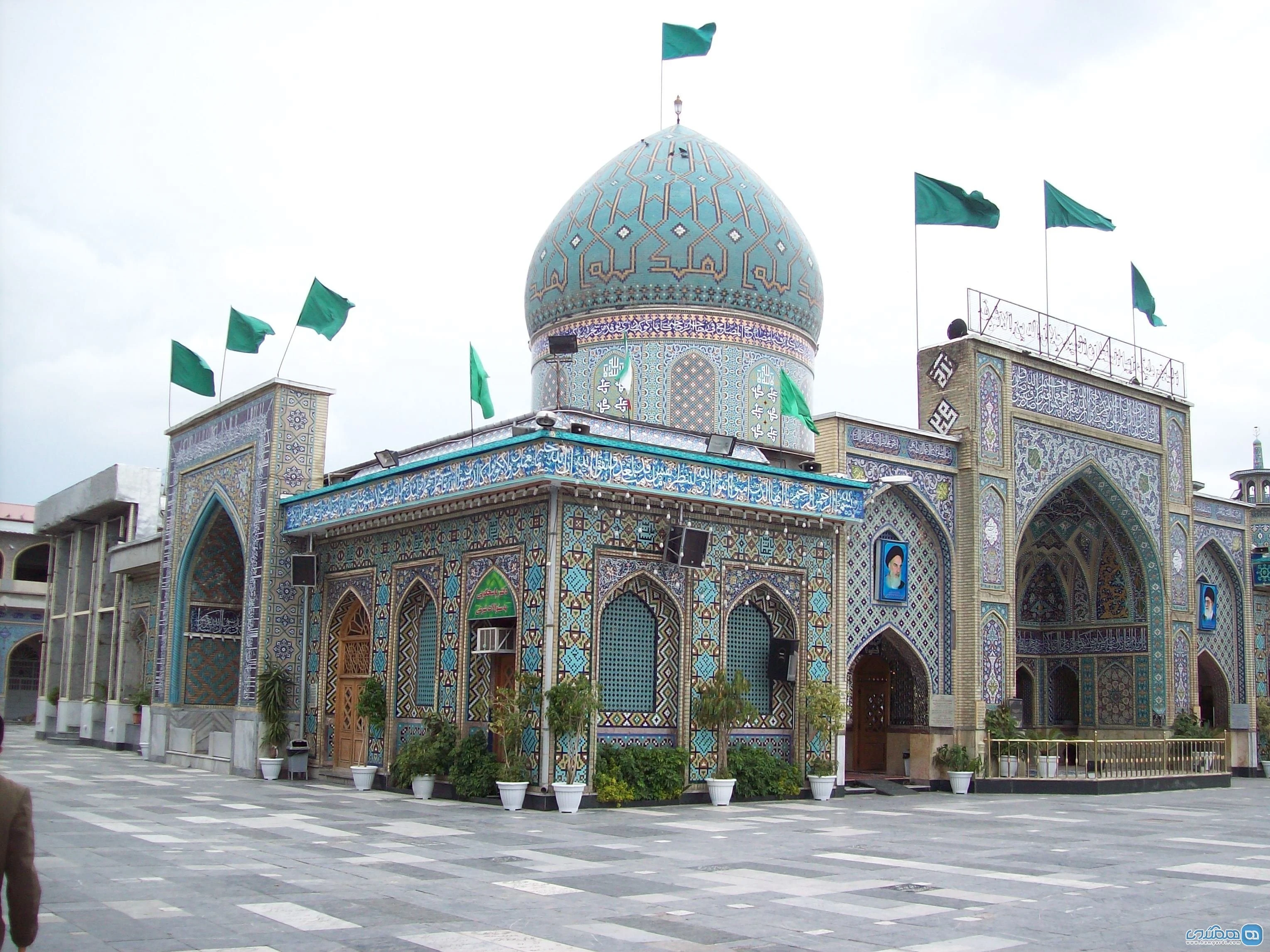
The original structure of this shrine was built in 311 AH by the order of Goharshad Khanum, daughter of Kiarostam, one of the rulers of Gilan. In 1356 SH, by purchasing and demolishing the shops around the shrine, a new building with an area of 600 square meters and decorated with marble and new tiles was constructed. This building includes multiple arcades, mirror-worked ceilings, and a large dome with delicate tile work.
Hazrat Seyyed Ebrahim al-Murtaza al-Asghar, who is titled Seyyed Jalal al-Din Ashraf, is the son of Imam Musa al-Kadhim (peace be upon him) and brother of Imam Reza (peace be upon him). He was born in one of the days of the year 180 AH in the city of Medina. Seyyed Jalal al-Din Ashraf's mother, Najmeh, was a virtuous woman from Nuba and Zanzibar. It seems he was the youngest child of Imam Musa al-Kadhim who, after the martyrdom of the seventh Imam, was raised near his elder brother Imam Reza (peace be upon him). Among the children of the seventh Imam, Seyyed Jalal was known after Imam Reza for his knowledge, piety, virtue, courage, and manners. The title "Ashraf" also indicates this.
During Imam Reza's crown prince period in Mashhad, Seyyed Jalal al-Din migrated to Baghdad. It was in this city that he heard the news of Imam Reza's martyrdom. At that time, some Shias came to offer condolences and asked him to rise against the oppressive rulers of the time. However, the noble Seyyed was only 21 years old then. After Ma'mun transferred the government to Baghdad, Seyyed Jalal al-Din went to Qom and studied virtues with his honorable brother, Hazrat Shah Cheragh. At that time, he formed his resistance movement and managed to take control of Gilan's power. Eventually, he was wounded in bloody battles and martyred. After his martyrdom, his body was placed in a coffin and thrown into the Sepidrud River according to his will. The coffin reached the village of Kochan (Astaneh Ashrafiyeh), and the Shias of this city buried his body there.
It is the most famous historical building and tourist attraction of Astaneh Ashrafiyeh city. The original structure of this sacred shrine was built in 311 AH and has been repaired and renovated many times since then. The building is located near the Sepidrud River, so it is not surprising that parts of it have been destroyed multiple times. The flooding of the Sepidrud River during rainy seasons has caused damage to this building throughout history. The last time the shrine was destroyed by flooding was about 80 years ago, but it was restored and renovated again.